Sticky Situation; Sticky Solution
Image of the Month: engineered algae aggregating microplastics
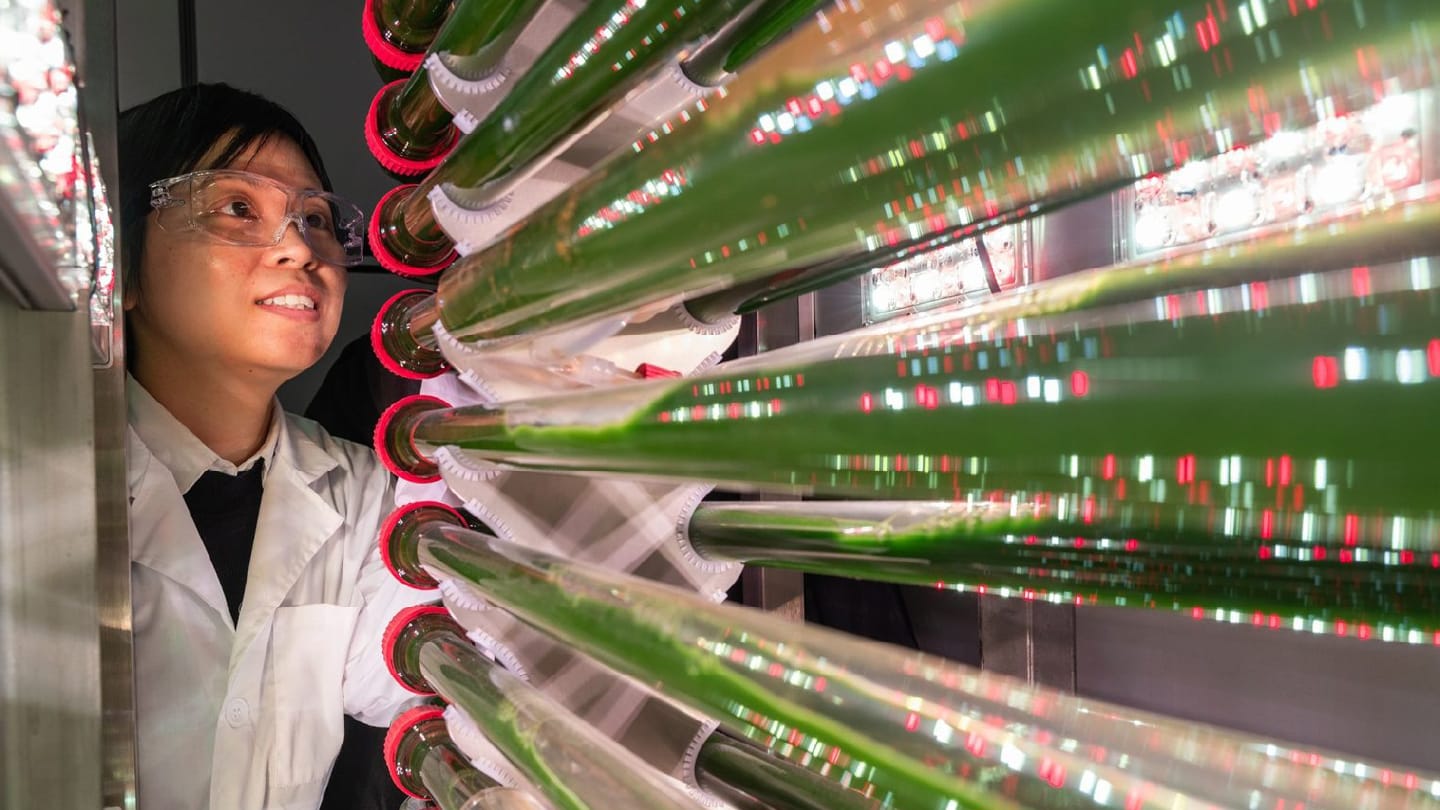
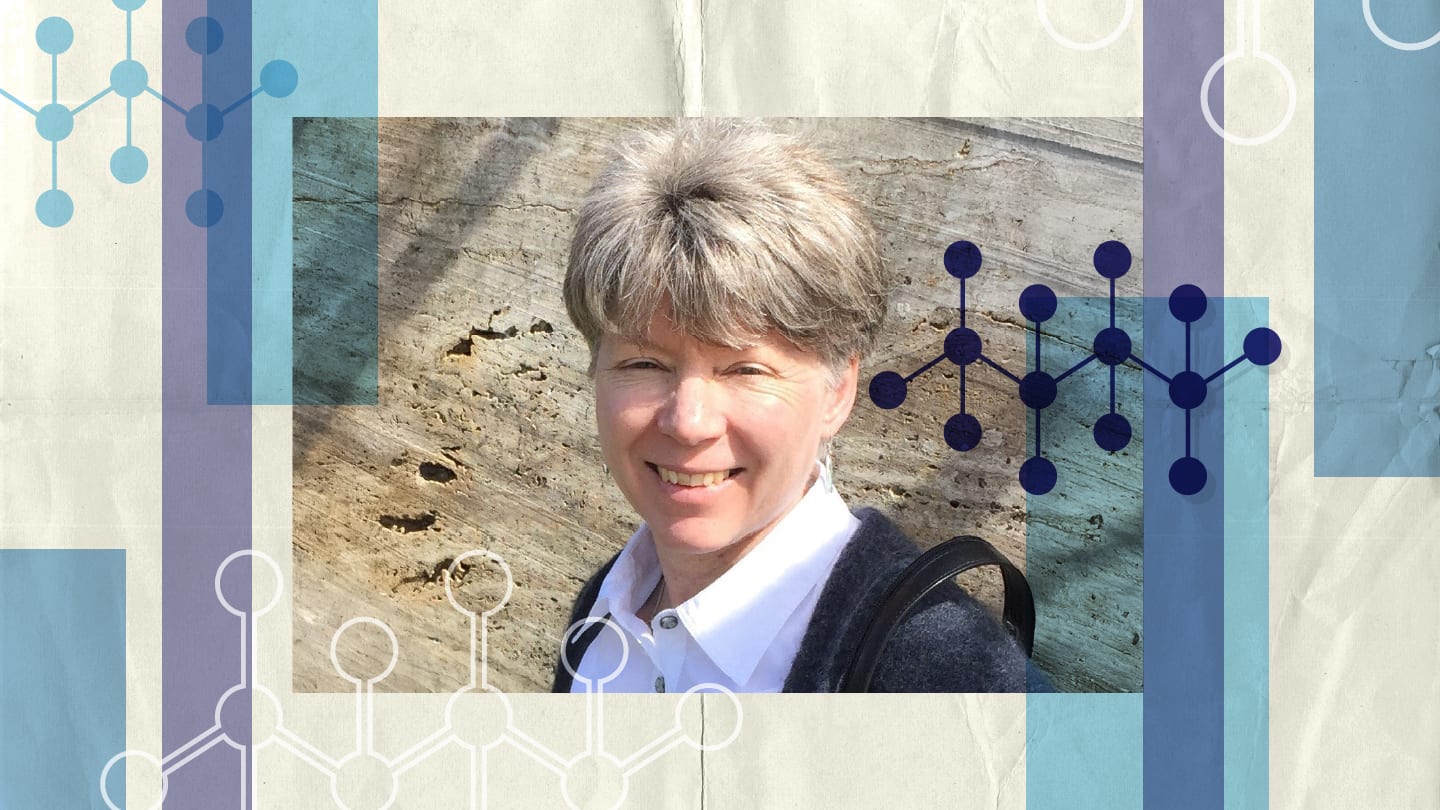
Engineers from the University of Missouri, led by Susie Dai, have developed a genetically modified algae strain capable of binding and sequestering microplastics from polluted water. By producing limonene, a water-repellent oil, this algae can attract and clump microplastics, facilitating their removal from wastewater. This innovative approach not only captures microplastics, which are often undetectable by traditional wastewater systems, but also utilizes excess nutrients in the water, enhancing overall water quality. The biomass obtained can potentially be converted into benign bioplastics.
1. Genetically modified algae captures microplastics. 2. Produces limonene, a water-repellent oil. 3. Clumps microplastics together for easier removal. 4. Improves water quality by feeding on excess nutrients. 5. Processed biomass can become benign bioplastics.