Minimally Invasive Surgery May Lower ICH Mortality
Meta-analysis finds improved survival and functional outcomes in intracerebral hemorrhage, though evidence remains low certainty
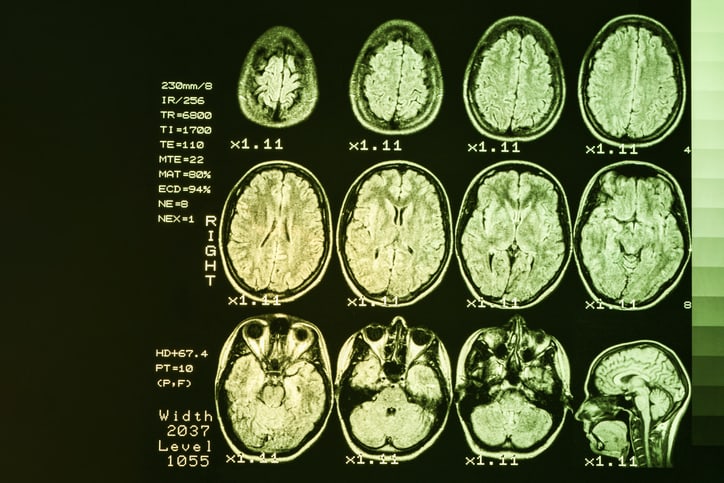
A systematic review and network meta-analysis revealed that minimally invasive surgical techniques could significantly reduce mortality and enhance functional recovery for patients experiencing spontaneous intracerebral hemorrhage (ICH), a severe type of stroke. Analyzing data from 26 randomized controlled trials involving nearly 4,900 adults, researchers found that endoscopic surgery and minimally invasive puncture surgery correlated with notable mortality reductions and improved independence. However, the low certainty of this evidence prompts calls for more rigorous trials to solidify these findings and identify optimal patient groups.
1. Minimally invasive surgery may reduce mortality in ICH patients. 2. Endoscopic surgery associates with a 34% relative mortality reduction. 3. Minimally invasive puncture surgery shows a 23% reduction. 4. Improved functional independence linked to these techniques. 5. Low certainty in findings due to study heterogeneity. 6. Calls for standardized randomized trials to confirm results. 7. Conventional craniotomy shows no significant improvements over medical therapy.