Bacterial Pseudaminic Acid Emerges as an Immune Target
Glycoproteomic mapping reveals pseudaminic acid as a shared feature across pathogenic bacteria
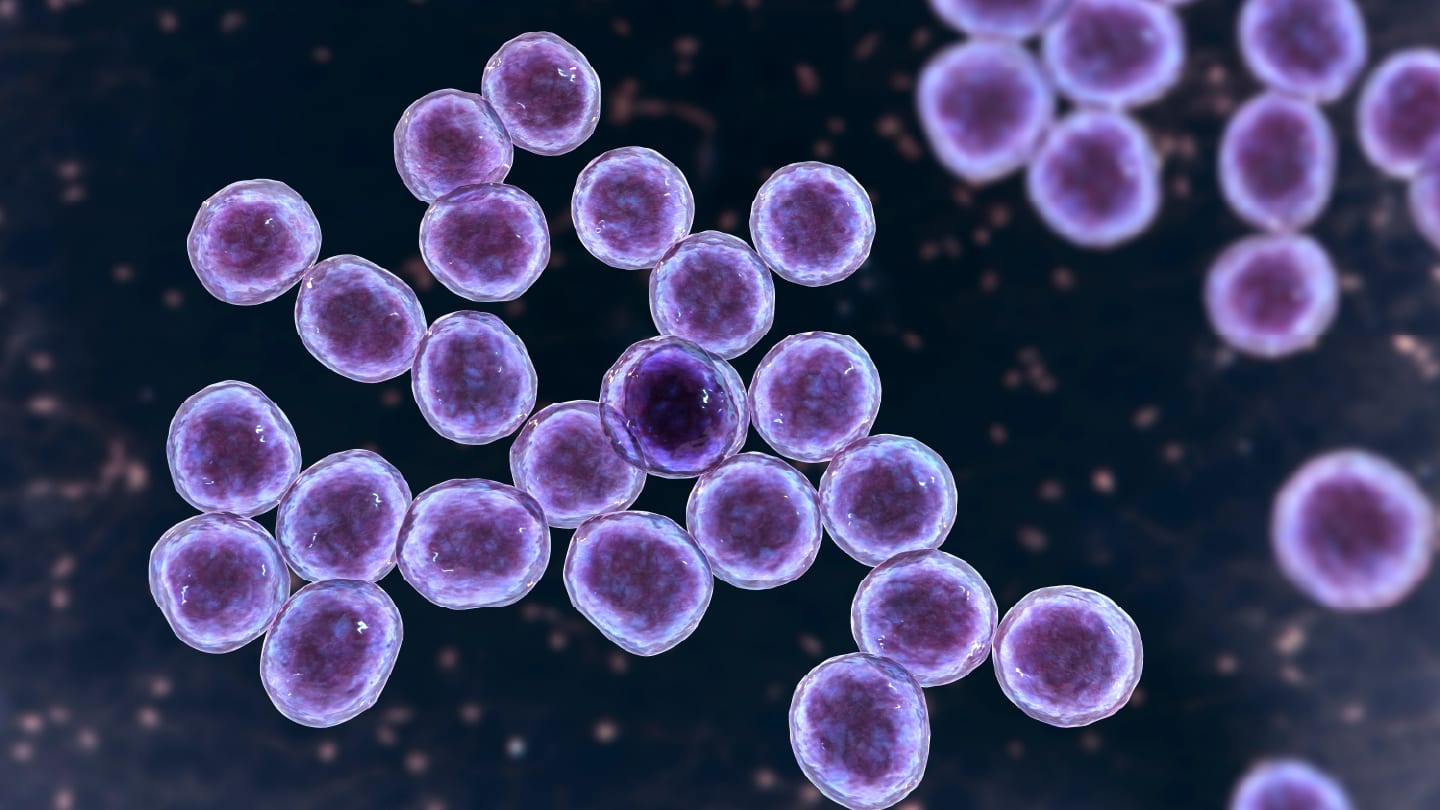
A study from the University of Sydney published in Nature Chemical Biology reveals that antibodies targeting pseudaminic acid, a sugar produced only by bacteria, can effectively expose dangerous drug-resistant pathogens to the immune system. Utilizing synthetic chemistry, researchers developed monoclonal antibodies that recognize varied forms of pseudaminic acid, enhancing the ability to clear lethal infections in mouse models, particularly from multidrug-resistant Acinetobacter baumannii. This innovation paves the way for passive immunotherapies against critical healthcare threats.
1. Study published in Nature Chemical Biology. 2. Focus on pseudaminic acid antibodies. 3. Developed monoclonal antibodies using synthetic chemistry. 4. Enhanced phagocytosis in drug-resistant pathogens. 5. Proven effective in mouse models. 6. Potential for new passive immunotherapies. 7. Aimed to combat Acinetobacter baumannii.