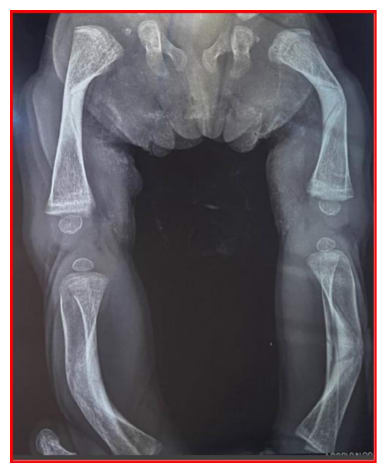
Novel LIFR Variant Identified in Stuve-Wiedemann Syndrome
-
By
February 10, 2026
-
2 min
A 5-month-old infant diagnosed with Stüve-Wiedemann syndrome was found to have a novel homozygous variant in the leukemia inhibitory factor receptor gene. This rare autosomal recessive disorder manifests with bowed long bones, joint contractures, and severe dysautonomia, contributing to high morbidity and mortality in early life. Clinical features included intrauterine growth restriction and respiratory distress, prompting molecular testing to differentiate it from other similar skeletal dysplasias. Notably, while historically regarded as lethal, some patients may survive beyond two years, showing a decline in mortality risk.
1. Stüve-Wiedemann syndrome is linked to LIFR gene mutations. 2. Features include bowed long bones and joint contractures. 3. High early-life morbidity and mortality rates (46%). 4. Differentiation from similar skeletal dysplasias is crucial. 5. Some patients may survive beyond two years. 6. Dysautonomia (e.g., hyperthermia) is a significant mortality driver.
Listen Tab content