Commentary & Perspectives
How Methodological Flaws Distorted a Decade of Serum SERS Studies
A cautionary tale about spectral interpretation, methodological rigor, and the pressure to publish
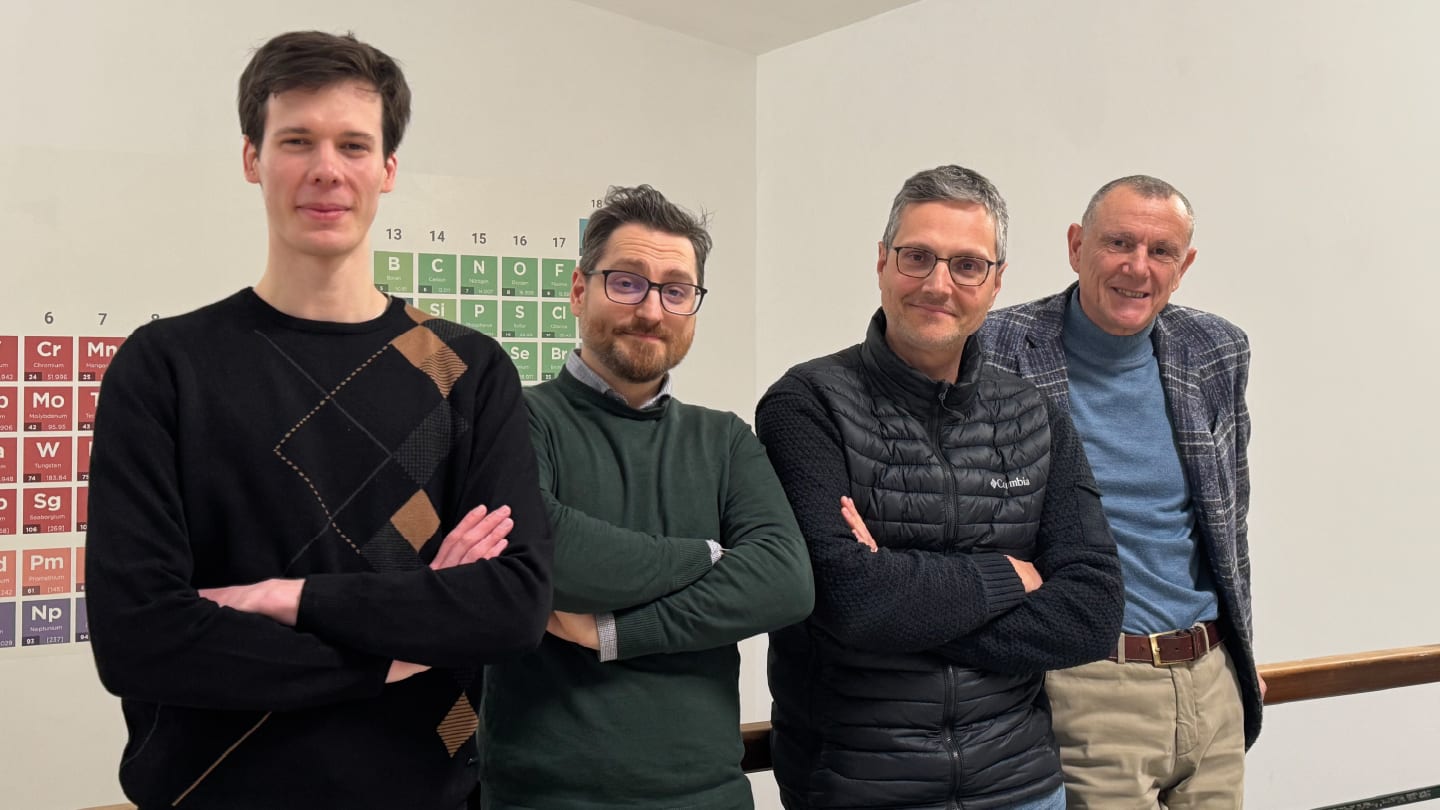
Roberto Gobbato and colleagues from the University of Trieste's Raman Spectroscopy Lab have unveiled significant methodological flaws in the interpretation of surface-enhanced Raman spectroscopy (SERS) spectra of serum, revealing that uric acid and hypoxanthine dominate spectral signals. Their research critiques widespread misinterpretations in the literature, emphasizing rigorous experimental validation and an understanding of SERS mechanics. As SERS shows potential for disease diagnosis, addressing these interpretational issues is crucial for future reliable applications in clinical settings.
1. SERS analysis of serum can provide rapid disease diagnosis. 2. Uric acid and hypoxanthine are dominant in serum SERS spectra. 3. Methodological flaws in spectral interpretation have led to widespread misinterpretations. 4. Importance of rigorous validation in SERS research. 5. Pressure to publish affects analytical science integrity.