What Prevents Chemo-Linked HFS?
Network meta-analysis compares preventive agents for chemotherapy-induced hand-foot syndrome
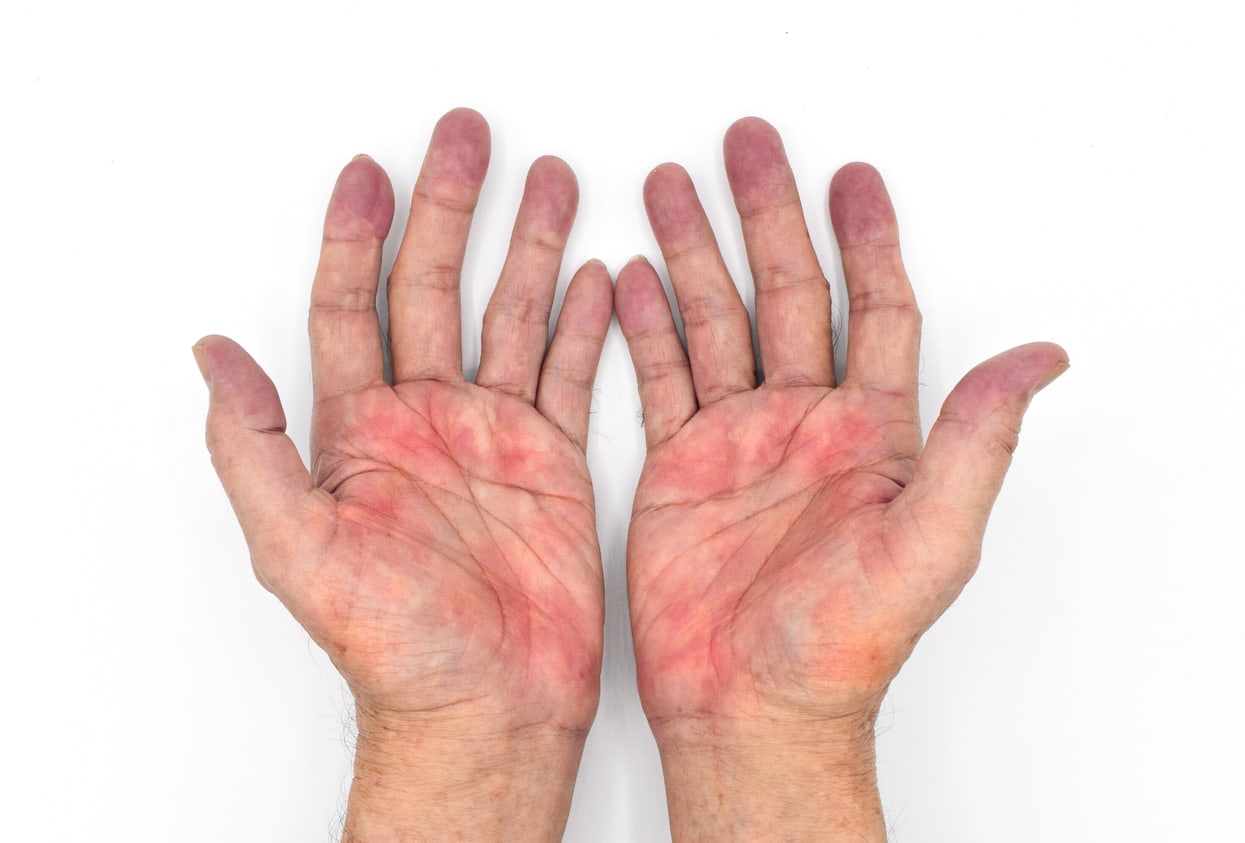
A systematic review and network meta-analysis identified that topical diclofenac and silymarin may significantly reduce clinically significant hand-foot syndrome (HFS) risk among chemotherapy patients. HFS often occurs with fluoropyrimidine treatments like capecitabine, presenting with painful skin symptoms that can disrupt treatment continuity. Researchers from the All India Institute of Medical Sciences evaluated 19 clinical trials involving 2,192 patients. While diclofenac demonstrated strong evidence, further studies are necessary to validate silymarin's effectiveness.
1. Topical diclofenac and silymarin reduce chemotherapy-induced HFS risk. 2. HFS presents with painful symptoms affecting daily activities. 3. 19 clinical trials evaluated 2,192 patients' outcomes. 4. Four interventions significantly reduced grade 2+ HFS. 5. Diclofenac has the strongest supporting evidence. 6. Silymarin findings are based on a small study. 7. Variability across grading systems limited study generalizability. 8. Large randomized trials are needed to confirm results.