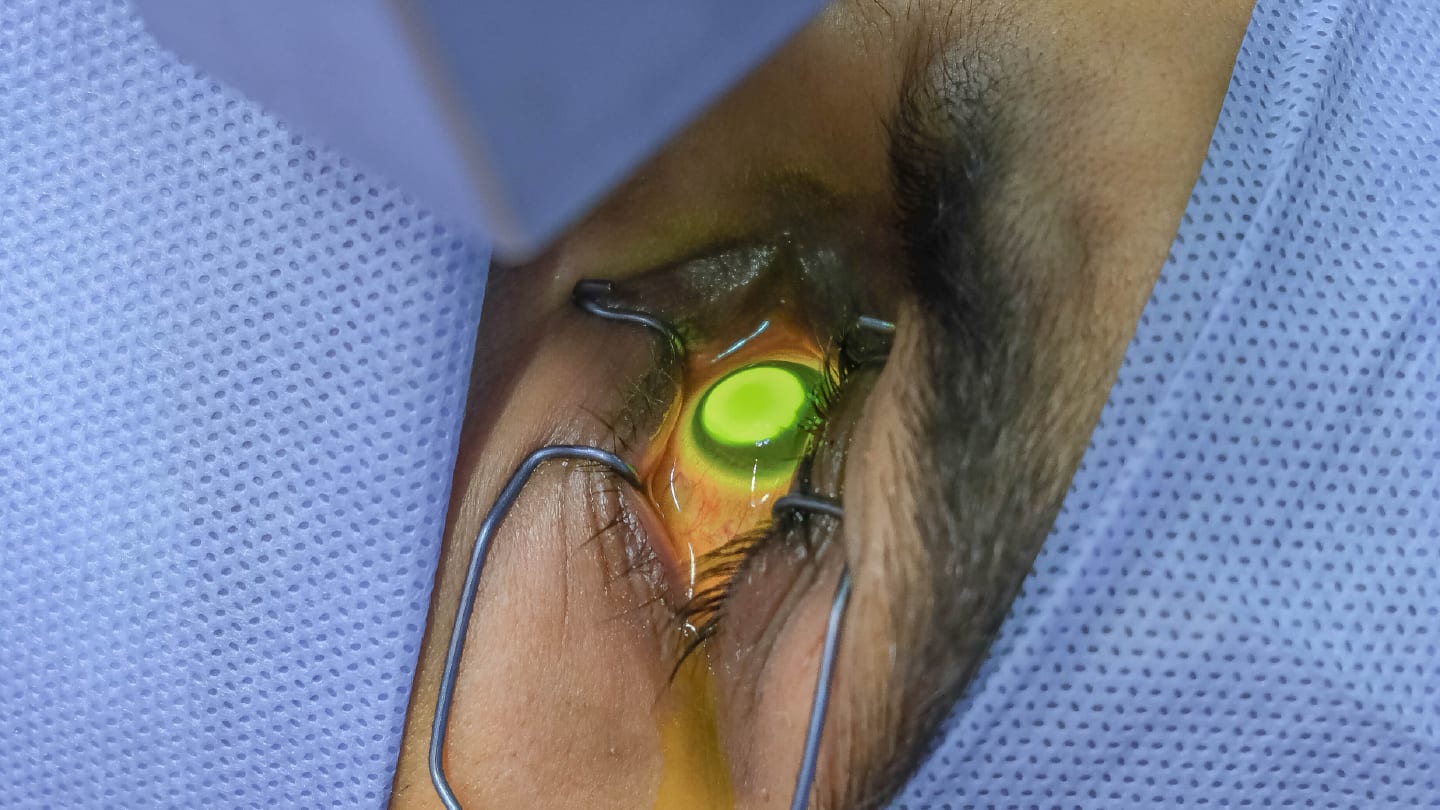
Corneal Allogenic Intrastromal Ring Segment Implantation for Post-Lasik Ectasia
-
By
November 1, 2024
-
10 min
-
1
Laser vision correction: Popular for eliminating refractive errors
-
2
Complications: Post-LASIK ectasia associated with thin corneas and high refractive errors
-
3
Traditional treatments: Spectacles, contact lenses, and corneal cross-linking
-
4
CAIRS procedure: Customized allogeneic tissue insertion for corneal stabilization
-
5
Customized CAIRS: Personalized flattening tailored to each patient
-
6
Clinical evaluation: Essential prior to treatment initiation
-
7
Surgical technique: Use of femtosecond laser channel and insertion precautions
-
8
Advancements: Use of CAIRS combined with corneal cross-linking
-
The CAIRS procedure is presented as a treatment for post-LASIK ectasia, addressing corneal flattening, ectasia decrease, and enhanced visual and topographic parameters. It aims to overcome limitations of traditional treatments and has shown efficacy in improving visual acuity and safety. The treatment involves customized use of allogeneic tissue and integrates with corneal cross-linking. Dr. Soosan Jacob has pioneered and extensively researched the technique, highlighting its potential for managing post-LASIK ectasia.
-
1
Laser vision correction: Popular for eliminating refractive errors
-
2
Complications: Post-LASIK ectasia associated with thin corneas and high refractive errors
-
3
Traditional treatments: Spectacles, contact lenses, and corneal cross-linking
-
4
CAIRS procedure: Customized allogeneic tissue insertion for corneal stabilization
-
5
Customized CAIRS: Personalized flattening tailored to each patient
-
6
Clinical evaluation: Essential prior to treatment initiation
-
7
Surgical technique: Use of femtosecond laser channel and insertion precautions
-
8
Advancements: Use of CAIRS combined with corneal cross-linking
Listen Tab content