-
1
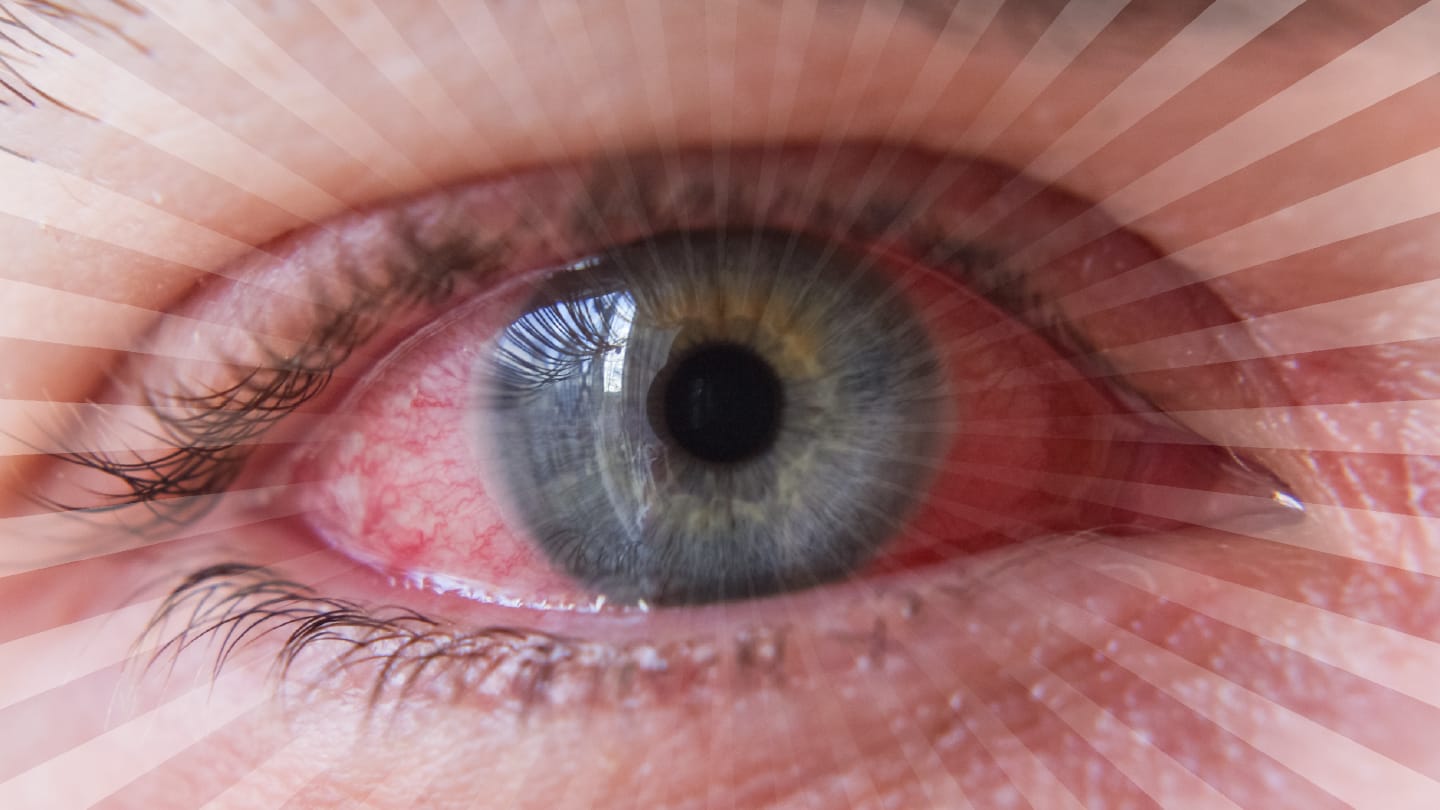
PACG presents asymmetrically with one eye in crisis.
-
2
Study by Nanchang University focused on fellow eye analysis.
-
3
Used ultrasound biomicroscopy for anterior segment measurements.
-
4
94 participants with varying PACG conditions were enrolled.
-
5
Fellow eyes showed anatomical differences indicating risk.
-
6
Key parameters included ACD, LV, and angle metrics.
-
7
Study emphasizes the need for thorough fellow-eye assessments.
-
8
Lens vault may help differentiate acute and chronic conditions.
-
Primary angle-closure glaucoma (PACG) often presents asymmetrically, with one eye in acute crisis and the other seemingly stable. A study from Nanchang University analyzed the biometrics of fellow eyes in PACG patients to identify anatomical risk factors. The study involved 94 eyes from 94 participants and utilized ultrasound biomicroscopy (UBM) to measure anterior segment features. Results revealed that fellow eyes, though appearing unaffected, show significant anatomical differences compared to healthy controls, indicating a risk for future glaucoma.
-
1
PACG presents asymmetrically with one eye in crisis.
-
2
Study by Nanchang University focused on fellow eye analysis.
-
3
Used ultrasound biomicroscopy for anterior segment measurements.
-
4
94 participants with varying PACG conditions were enrolled.
-
5
Fellow eyes showed anatomical differences indicating risk.
-
6
Key parameters included ACD, LV, and angle metrics.
-
7
Study emphasizes the need for thorough fellow-eye assessments.
-
8
Lens vault may help differentiate acute and chronic conditions.
Listen Tab content