Fetal Spina Bifida Surgery Advances: Fewer Risks, Better Outcomes
-
1
NIH-funded MOMS study shows in utero surgery reduces spina bifida disability.
-
2
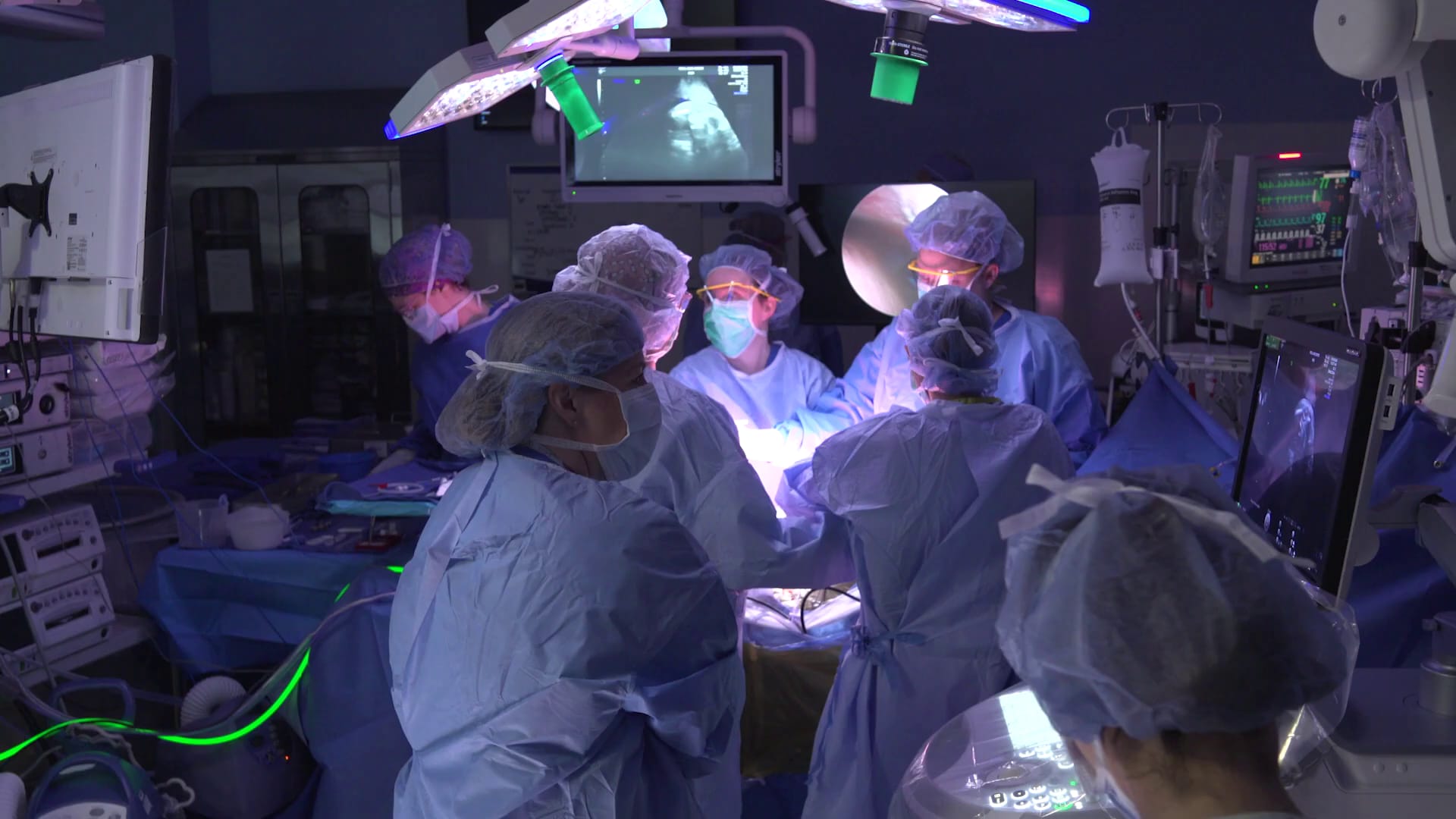
Fetal Care Center offers both open and fetoscopic surgical options.
-
3
Fetoscopic surgery provides smaller incisions, reducing complications.
-
4
Shunt rate at Fetal Care Center: 26%, better than MOMS' 40%.
-
5
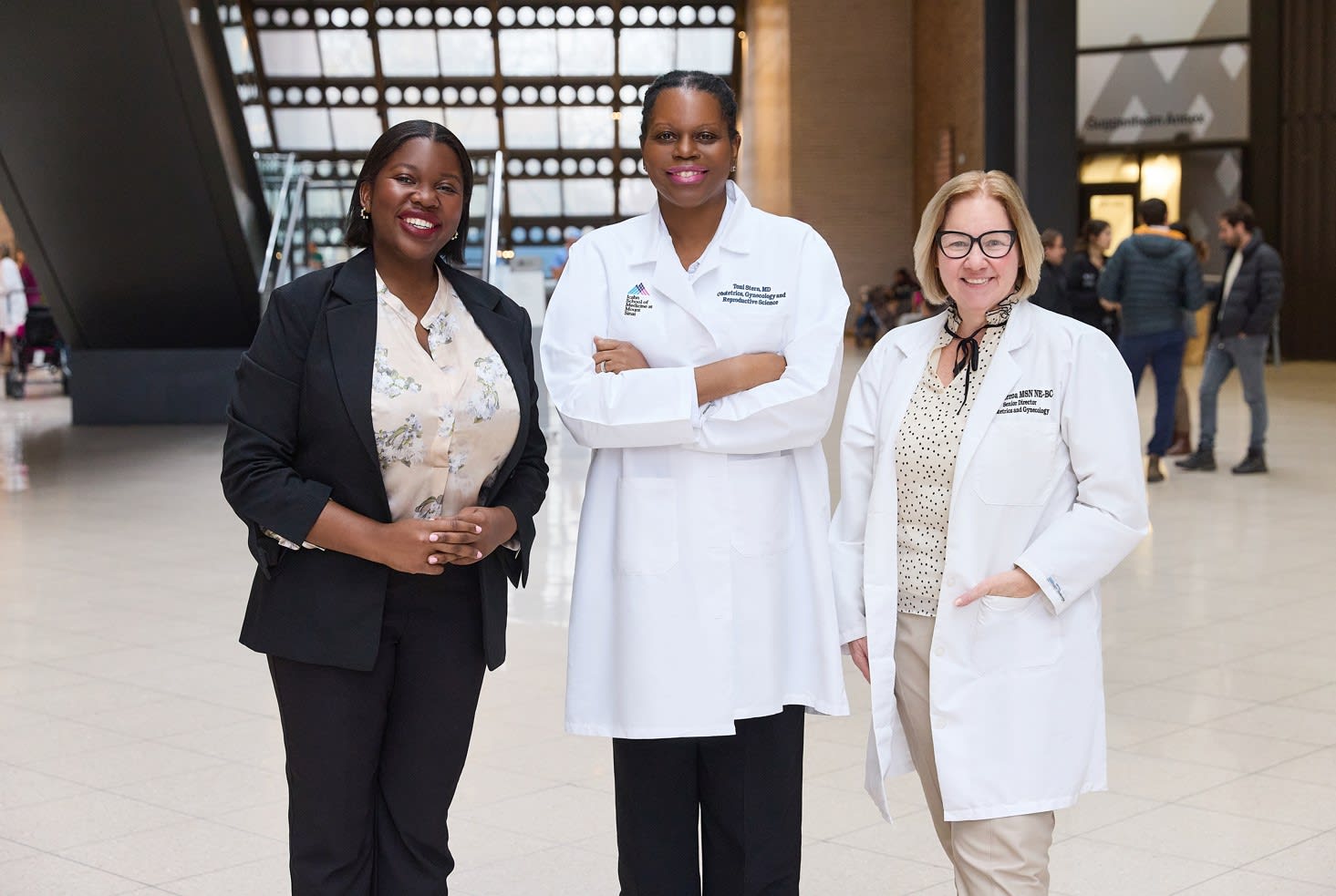
Multidisciplinary team facilitates coordinated care for patients.
-
6
Wesley's story exemplifies a successful outcome after fetoscopic surgery.
-
7
Referrals and consultations can be made through the center.
-
A study funded by the NIH, known as MOMS, revealed that in utero surgery for spina bifida can significantly lower childhood disability rates. The Fetal Care Center in St. Louis offers both open and less invasive fetoscopic methods, the latter featuring smaller incisions that reduce complications and allow for easier recovery. This center has achieved a lower shunt rate and earlier delivery than previously reported. Familial testimonials, like Wesley's, highlight the successful outcomes, making this center a prominent choice for prenatal spina bifida treatment.
-
1
NIH-funded MOMS study shows in utero surgery reduces spina bifida disability.
-
2
Fetal Care Center offers both open and fetoscopic surgical options.
-
3
Fetoscopic surgery provides smaller incisions, reducing complications.
-
4
Shunt rate at Fetal Care Center: 26%, better than MOMS' 40%.
-
5
Multidisciplinary team facilitates coordinated care for patients.
-
6
Wesley's story exemplifies a successful outcome after fetoscopic surgery.
-
7
Referrals and consultations can be made through the center.
Listen Tab content