The Lasting Effects of Early-Life Pollutant Exposure
-
By
February 10, 2026
-
3 min
-
1
Early exposure to benzo[a]pyrene disrupts fish development.
-
2
Effects persist across generations despite clean environments.
-
3
Skeletal abnormalities include craniofacial deformities and spinal curvature.
-
4
Metabolomics revealed pathways disrupted in energy production.
-
5
Some traits showed partial recovery in later generations.
-
6
Recovery could reflect trade-offs rather than full restoration.
-
7
Study implications extend to environmental health.
-
8
Future studies are suggested to explore multigenerational pollutant response.
-
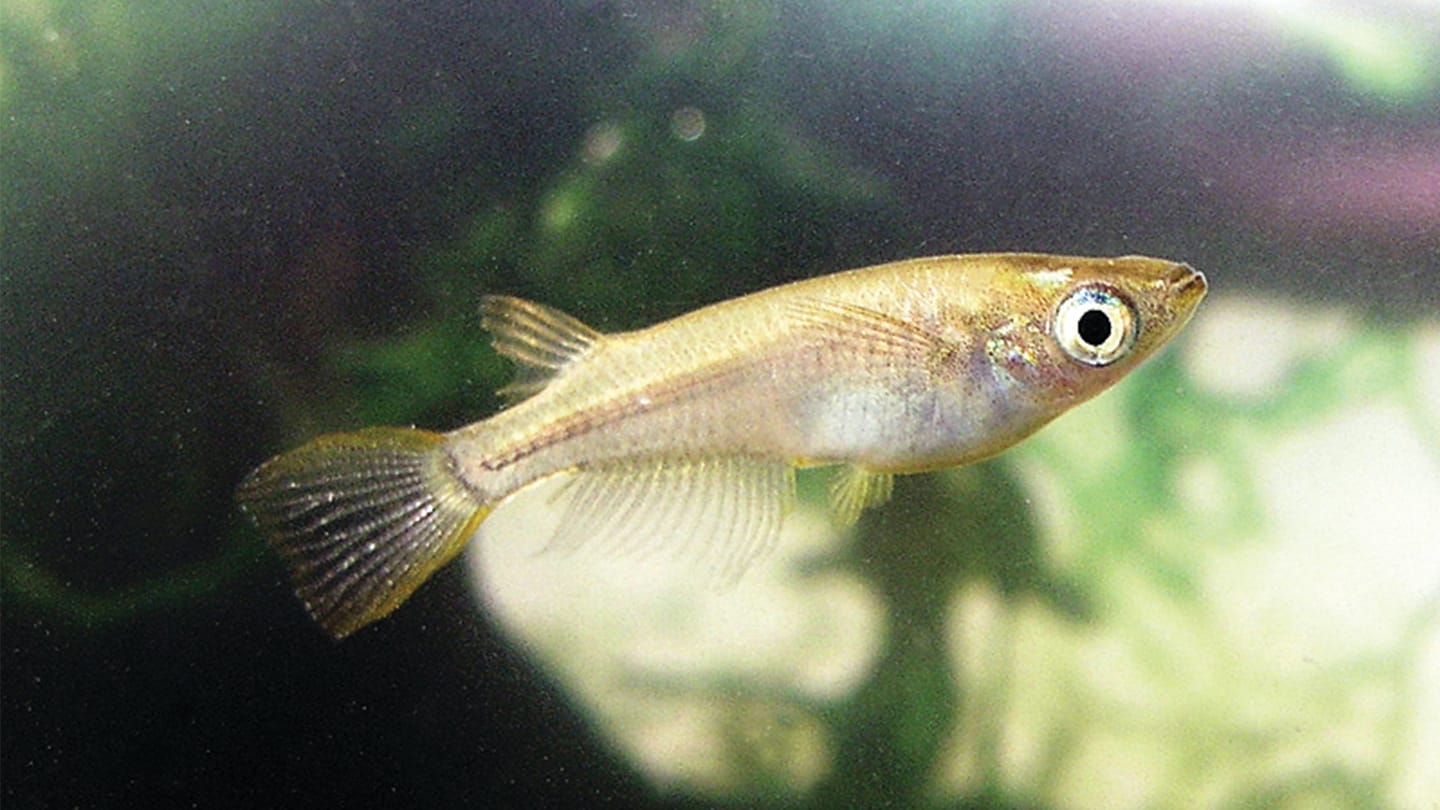
Research indicates that early exposure to benzo[a]pyrene, an environmental pollutant from fossil fuels, significantly disrupts development and skeletal formation in medaka fish. This exposure during the initial eight days of their development results in reduced survival rates, craniofacial deformities, and spinal issues across several generations, even when the fish are later raised in clean environments. The study, led by Jiezhang Mo, highlights how such early disruptions lead to long-lasting biological costs, affecting energy metabolism and developmental pathways, suggesting implications for environmental health.
-
1
Early exposure to benzo[a]pyrene disrupts fish development.
-
2
Effects persist across generations despite clean environments.
-
3
Skeletal abnormalities include craniofacial deformities and spinal curvature.
-
4
Metabolomics revealed pathways disrupted in energy production.
-
5
Some traits showed partial recovery in later generations.
-
6
Recovery could reflect trade-offs rather than full restoration.
-
7
Study implications extend to environmental health.
-
8
Future studies are suggested to explore multigenerational pollutant response.
Listen Tab content