Improving Monitoring of Postoperative Crohn’s Disease Recurrence
-
By
February 2, 2026
-
4 min
-
1
Postoperative recurrence in Crohn's disease occurs in up to 70% of patients within a year.
-
2
AI and multi-omics enhance early detection and risk stratification.
-
3
Advanced imaging techniques improve assessments of postoperative changes.
-
4
Fecal calprotectin is a key non-invasive biomarker.
-
5
AI integration may standardize monitoring strategies and reduce variability.
-
6
Distinguishing between postsurgical changes and inflammatory recurrence remains challenging.
-
7
Proactive monitoring strategies can improve patient outcomes.
-
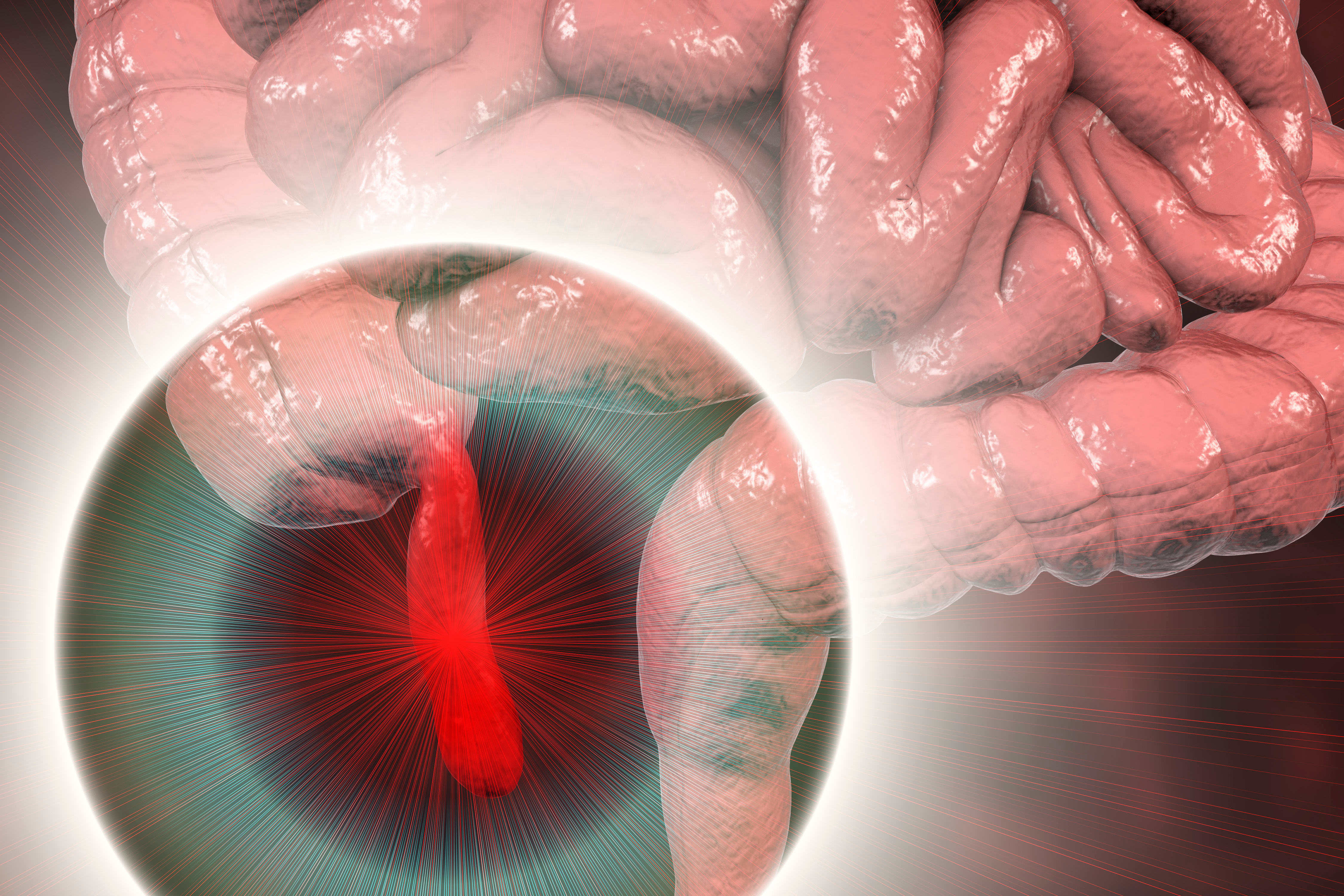
Postoperative recurrence poses significant challenges in managing Crohn’s disease, with up to 70% of patients experiencing it within the first year after surgery. Advances in artificial intelligence, multi-omics, and advanced imaging techniques, including high-resolution endoscopy, intestinal ultrasound, and cross-sectional imaging, are pivotal for early detection and improved risk stratification. These innovations aim to personalize monitoring strategies and enhance patient outcomes by allowing clinicians to distinguish between postsurgical changes and inflammatory recurrence more effectively.
-
1
Postoperative recurrence in Crohn's disease occurs in up to 70% of patients within a year.
-
2
AI and multi-omics enhance early detection and risk stratification.
-
3
Advanced imaging techniques improve assessments of postoperative changes.
-
4
Fecal calprotectin is a key non-invasive biomarker.
-
5
AI integration may standardize monitoring strategies and reduce variability.
-
6
Distinguishing between postsurgical changes and inflammatory recurrence remains challenging.
-
7
Proactive monitoring strategies can improve patient outcomes.
Listen Tab content