-
1
Study by BrainLat assessed blood's influence on Alzheimer's-like pathology.
-
2
Tg2576 mice infused with blood from older donors showed cognitive decline.
-
3
Older mice had increased amyloid-β deposition.
-
4
Proteomic analysis revealed changes related to synaptic signaling.
-
5
Increased levels of α2δ2 subunit of calcium channels were noted.
-
6
Findings suggest that blood factors could modulate neurodegeneration.
-
7
Further research is needed to identify specific circulating factors.
-
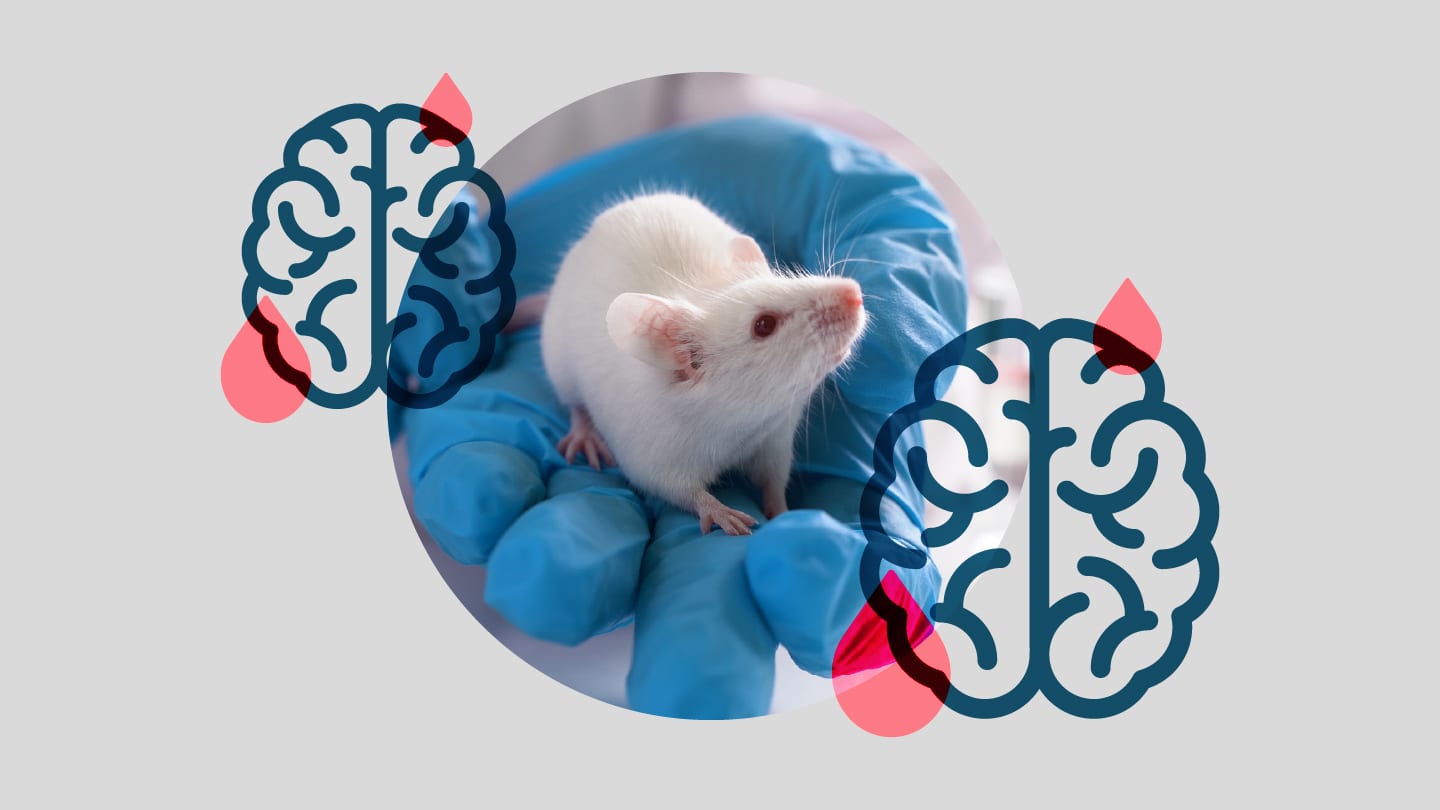
A recent study by scientists at the Instituto Latinoamericano de Salud Cerebral reveals that molecules in donated blood may influence the progression of Alzheimer’s-like pathology. The research utilized Tg2576 transgenic mice to assess the impact of whole blood infusions from young and old wild-type donors over a 30-week duration. Results indicated that mice receiving blood from older donors exhibited significantly impaired cognitive performance and increased amyloid-β deposition. The study's proteomic analysis uncovered molecular changes related to synaptic signaling, suggesting peripheral blood factors could modulate neurodegeneration.
-
1
Study by BrainLat assessed blood's influence on Alzheimer's-like pathology.
-
2
Tg2576 mice infused with blood from older donors showed cognitive decline.
-
3
Older mice had increased amyloid-β deposition.
-
4
Proteomic analysis revealed changes related to synaptic signaling.
-
5
Increased levels of α2δ2 subunit of calcium channels were noted.
-
6
Findings suggest that blood factors could modulate neurodegeneration.
-
7
Further research is needed to identify specific circulating factors.
Listen Tab content