-
1
Topical diclofenac and silymarin reduce chemotherapy-induced HFS risk.
-
2
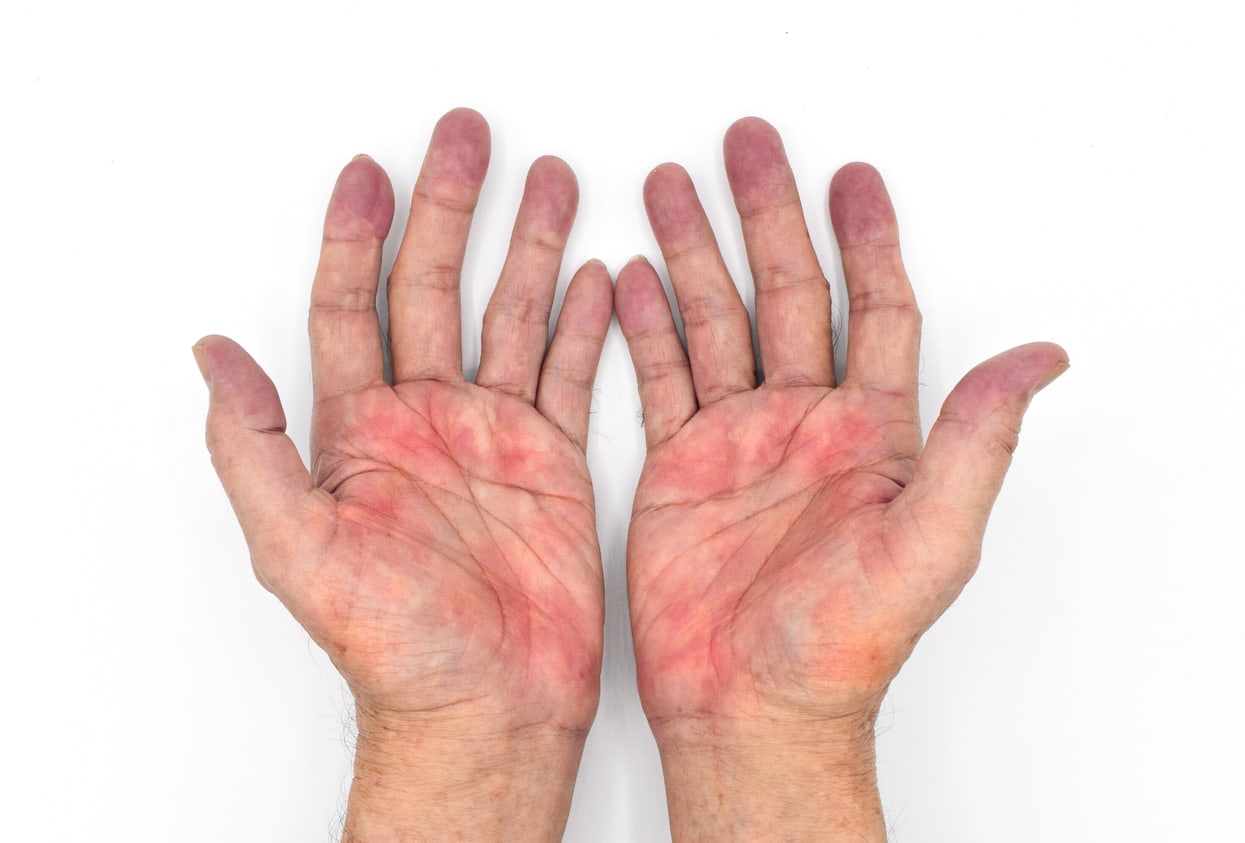
HFS presents with painful symptoms affecting daily activities.
-
3
19 clinical trials evaluated 2,192 patients' outcomes.
-
4
Four interventions significantly reduced grade 2+ HFS.
-
5
Diclofenac has the strongest supporting evidence.
-
6
Silymarin findings are based on a small study.
-
7
Variability across grading systems limited study generalizability.
-
8
Large randomized trials are needed to confirm results.
Original Source(s)
What Prevents Chemo-Linked HFS?
Network meta-analysis compares preventive agents for chemotherapy-induced hand-foot syndrome
-
by Jess Allerton
March 5, 2026
-
3 min
Related Content

Patient Insights on HRQOL in Chronic GVHD
Explore how cutaneous graft-versus-host disease impacts patients’ quality of life across physical, psychological, and social domains.
January 7, 2025
-
3 min

BTX Injections Appear Safe for Refractory Digital Ischemia in Systemic Sclerosis
Botulinum toxin injections show strong safety and efficacy as an adjunctive treatment for refractory digital ischemia, ulcers, and gangrene in patients with systemic sclerosis, according to a new JAMA Dermatology meta-analysis.
by Jo Cavallo
December 15, 2025
-
3 min
