What Drives Progression Despite TNFi?
December 11, 2025
-
2 min
5 Key Takeaways
-
1
Study published in RMD Open focused on axSpA and complement system.
-
2
96 patients undergoing TNFi therapy were analyzed.
-
3
Baseline levels of C3dg and MASP-1 linked to new bone formation.
-
4
20% of patients showed new bone formation despite treatment response.
-
5
High levels of complement proteins are associated with radiographic progression.
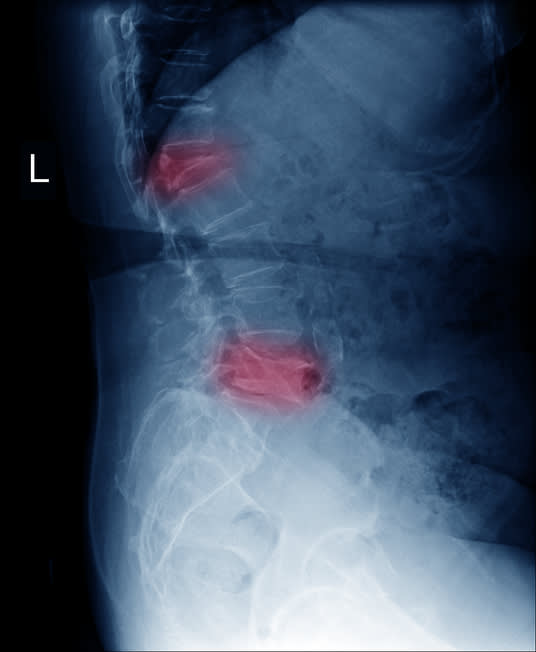
A recent study published in RMD Open investigated the relationship between complement system activation and radiographic progression in axial spondyloarthritis (axSpA). This research, based on a longitudinal randomized controlled trial involving 96 patients undergoing tumor necrosis factor inhibitor (TNFi) therapy, found that elevated serum levels of complement proteins like C3dg and MASP-1 at baseline were predictive of new bone formation in patients after 2 years. This highlights the connection between complement activation and spinal progression in axSpA patients.
Listen Tab content